Thank you! Your submission has been received!
Oops! Something went wrong while submitting the form.
By signing up for your free account, you agree to receive e-mails from Triggre.
By signing up for your free account, you agree to receive e-mails from Triggre.

AI agents are one of the biggest topics in business automation right now. But for organizations already using workflow automation, the distinction is not always clear.
AI agents are the tools people use to interact with AI. Unlike traditional automation software, they can perform more complex tasks that typically require human judgment, such as interpreting language, understanding context, and suggesting appropriate actions.
Traditional automation is designed around structured workflows. You define the steps, business rules and conditions, and the system executes them consistently.
Examples include:
When the input is the same, the output is the same. This predictability makes traditional automation highly reliable for operational processes.
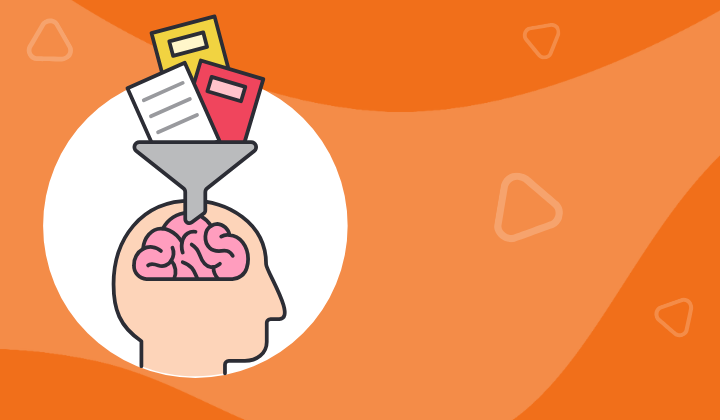
AI agents can work with information that doesn't fit neatly into predefined rules.
AI agents can reason, plan, use tools, and take actions to achieve a goal. This McKinsey explainer outlines how agents differ from other AI systems, where they can create value, and what limitations organizations should be aware of as the technology evolves.
In practice, AI agents are particularly useful when processes involve language, interpretation, or decision-making that would otherwise require human input.
Examples include:
Let's compare how traditional automation and AI agents would handle the same business area.
A customer submits a support form and selects a category.
The workflow then:
Every step is predefined and predictable.
A customer sends a free-form email describing a problem.
The AI agent:
Instead of following a fixed path, the agent decides what actions are needed based on the content of the request.
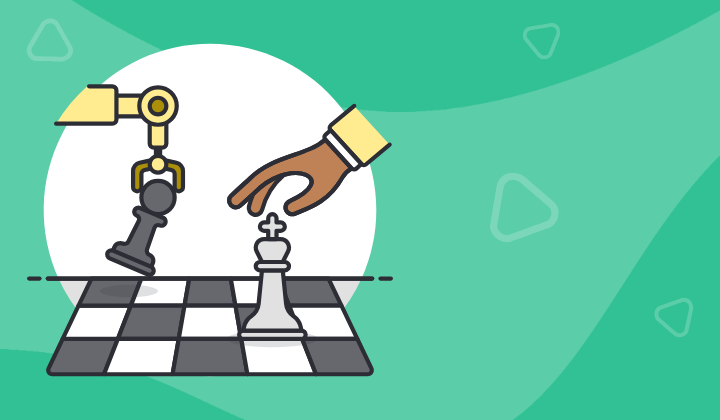
It's tempting to view AI agents as the next generation of automation that will replace traditional workflows. In reality, the two technologies solve different problems.
Traditional automation remains the best choice for structured, repeatable processes where consistency matters.
AI agents extend automation into areas that involve interpretation and judgment.
This is why many organizations are moving toward human-agent teams: AI can assist with information gathering, analysis, and recommendations, while employees provide oversight and make final decisions.
Not every process benefits from AI. Traditional automation is often the better choice when processes require:
In these scenarios, introducing AI can add complexity without adding value.
AI agents and traditional automation are not competing approaches. They are complementary technologies.
Traditional automation excels at executing known processes. AI agents help automate tasks that involve understanding, interpreting, and acting on information.
The most effective business automation strategies combine both: deterministic workflows for structure and reliability, and AI agents for tasks that previously required human judgment.


%20.png)